Rust streamer servers like Rust Isles turn survival into social chaos and here is what to expect
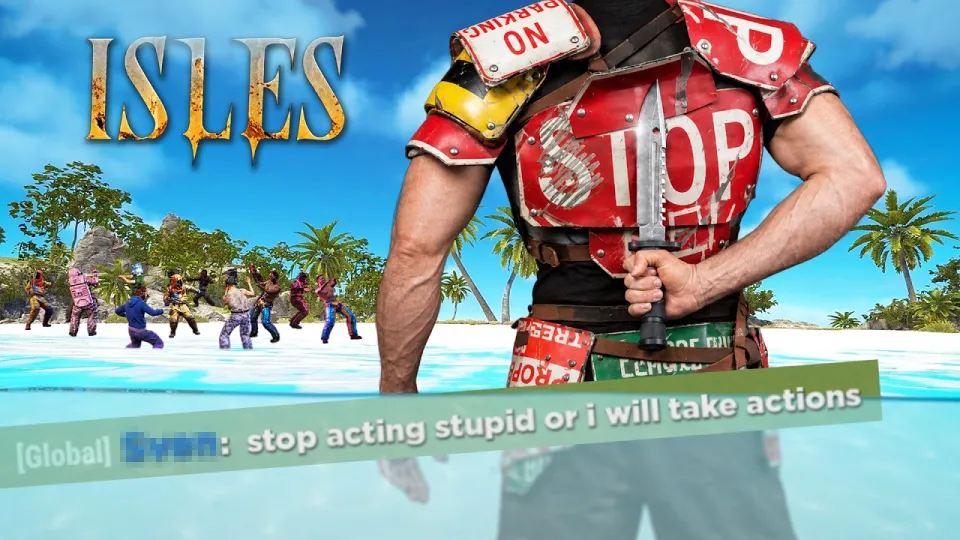
Video: Not Another Rust Streamer Server
Need articles like this for your video? They help promote it on YouTube and Google — order them in the Telegram bot @sat_sit_bot. It writes articles around your video, embeds the video and publishes them on popular niche websites (no ads). Free trial — 50 articles.
· based on the channel Stimpee
Rust streamer servers are private, invite-only Rust worlds where content creators play together under admin supervision, and Rust Isles is the current example that Stimpee toured in his latest video. These servers keep the survival, raiding and base-building loop of regular Rust but replace anonymous opponents with recognizable streamers, clans and roleplay politics. If you want to understand why these servers produce so much drama, the answer is simple: the rules are social, not mechanical.
Stimpee, a long-time Rust player known for trolling and chaos, got access to Rust Isles after years away from streamer servers. You can follow his live play and see how these servers actually run on his Twitch channel.
What a Rust streamer server like Rust Isles actually is
A Rust streamer server is a whitelisted Rust instance where access is granted by invitation, usually to streamers, YouTubers and their friends, and where admins actively moderate play. Rust Isles follows that model: it has a pirate theme, clans, roleplay expectations and a population made entirely of people with an audience. The core game is unchanged — you still farm wood and stone, build bases, craft explosives and raid — but the social layer is completely different. On a public server, a stranger who steals your boat is just a stranger. On Rust Isles, that stranger has ten thousand viewers and a Discord full of allies.
This is why streamer servers are often described as a mix of Rust and a social lobby. Everyone knows everyone, reputations travel faster than loot, and a single betrayal can define a wipe.
How the Rust Isles social contract works
Rust Isles runs on an unwritten social contract that matters more than the in-game rules. Clans recruit members quickly, often without asking many questions, and then expect loyalty in return. When Stimpee joined a crew and promptly hijacked a boat and left the group stranded, the reaction was not a mechanical punishment but a public meltdown in chat. That is the pattern on these servers: the game allows theft, but the community polices it through reputation.
The practical consequences for anyone playing or watching:
- Recruitment is fast and shallow. Leaders want bodies for farming and raids, not background checks.
- Betrayal is legal in-game but costly socially. Expect arguments, blacklists and admin attention.
- Roleplay framing cuts both ways. A pirate theme suggests stealing is fair game, yet many players treat any loss as a personal insult.
- Admin patience is finite. Repeated chaos tends to end with direct intervention rather than a ban.
Why admins watch Stimpee so closely
Admin oversight on streamer servers is heavier than on public Rust, and Stimpee is a known quantity. According to viewer discussion around the video, moderators have gone into his inventory to remove weapons before he could use them, which says less about cheating and more about preemptive damage control. On a normal server, an admin stepping into your inventory would be scandalous; on a streamer server, it is closer to a referee managing a match.
The logic is straightforward. A streamer server exists to generate content for many creators at once, and one player who builds giant towers, roof-camps and trap bases can ruin the experience for everyone else. Admins therefore treat chaos as a resource to be rationed. Stimpee gets leeway because his chaos is the content, but not unlimited leeway.
Streamer Rust versus public Rust
The biggest difference between streamer Rust and public Rust is who you are fighting. On a public server you face anonymous solos, clans and the occasional hacker, and the only thing at stake is your loot. On Rust Isles you face people whose reactions will be clipped, posted and discussed, which changes every decision.
That shift produces recognizable behaviors:
- Roof camping and tower building become performance rather than pure tactics.
- Offline raids are judged socially, not just strategically.
- Clans form and dissolve around streaming schedules rather than server wipes.
- Solo players either lean into roleplay or become the villain of someone else's stream.
The result is a server that looks like Rust but behaves like a reality show, with all the friction that implies.
Common questions about streamer servers answered
Viewers consistently raise the same doubts about these servers, and they are worth addressing directly. The first is access: streamer servers are invitation-based, and there is no public application that guarantees a spot. The second is fairness: because admins intervene, outcomes are not purely skill-based, and everyone involved knows it.
The third is tone. Many viewers find the roleplay-heavy atmosphere hard to watch, describing it as adults behaving like children, while others enjoy exactly that energy. The fourth is loyalty. New members are often recruited with no questions asked and then expected to behave like lifelong crew, which is why betrayals escalate so quickly. None of these are bugs in the format; they are the format.
Useful links
- Stimpee on Twitch — live Rust gameplay and streamer-server sessions
- Stimpee on Twitter — clips, announcements and schedule updates
- Stimpee on Instagram — short-form content and behind-the-scenes posts
- Stimpee Discord — community chat and server news
What Rust Isles says about the future of streamer servers
Rust Isles shows that streamer servers have become their own genre inside Rust, driven by personalities rather than patch notes. The survival mechanics still matter, but the real gameplay is negotiation, reputation and knowing when an admin is about to check your inventory. Stimpee's return after years away works precisely because he treats the server as a playground rather than a job, and the resulting friction is what makes the footage worth watching. If you want to see how it plays out live, follow Stimpee on Twitch and judge the chaos yourself.
Key takeaways
- Rust Isles is a private, invite-only Rust server built around streamers and content creators rather than random public players.
- Stimpee returned to a streamer server for the first time in years, and admins reportedly monitored his inventory to strip weapons.
- Server politics dominate: clan leaders recruit fast, expect loyalty, and react badly when a member steals a boat or betrays the crew.
- Roleplay and piracy themes coexist with strict rules, so stealing and betrayal are often punished socially rather than mechanically.
- Public Rust and streamer Rust are different games: the second runs on reputation, admin attention and audience pressure.
Source: Not Another Rust Streamer Server · Markdown version
Questions & answers
Can anyone join a Rust streamer server like Rust Isles?
No. These servers are whitelisted and invitation-based, usually limited to streamers, content creators and their friends. There is no public queue or guaranteed application process, so most players will never get access.
Why do admins intervene on streamer servers instead of letting players play?
Streamer servers exist to produce content for many creators at once, so admins manage chaos rather than punish it. Removing weapons or stepping into inventories is a way to stop one player from ruining the experience for the rest of the roster.
Is stealing and betrayal allowed on a pirate-themed Rust server?
Mechanically yes, but socially it is complicated. The theme suggests piracy is fair game, yet clans often react with public anger and blacklists when a member steals a boat or abandons a crew, which turns a game action into server drama.
How is streamer Rust different from normal public Rust?
The survival and raiding loop is identical, but every opponent has an audience and a reputation. Decisions like offline raids or roof camping get judged by viewers, so the social consequences outweigh the loot.